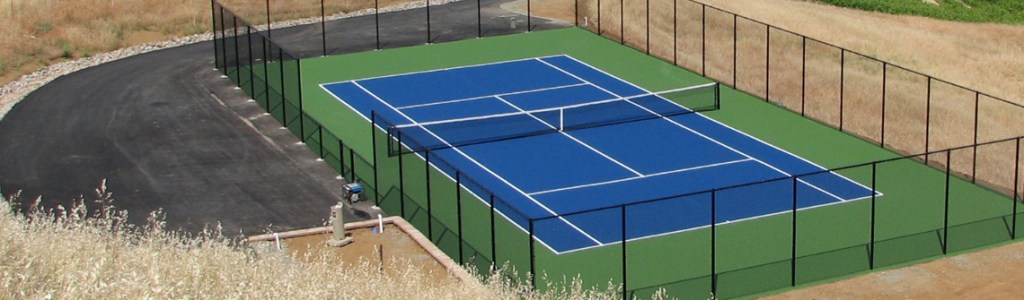
There’s a moment every tennis player knows. The ball lands just inside the line, spins low, and you instinctively trust the surface beneath your feet. That trust doesn’t come from luck. It comes from thoughtful court construction and maintenance — work that often goes unnoticed until something goes wrong. Cracks appear. The bounce feels off. Footing slips. Suddenly, the court that once felt alive now feels tired.
Tennis courts age, just like anything exposed to weather, use, and time. Sun, rain, freeze–thaw cycles, and thousands of footfalls slowly take their toll. Yet resurfacing or rebuilding a court isn’t simply a technical exercise. It’s a balance of materials, timing, and understanding how the game is actually played on that surface.
Many facility owners make the mistake of treating resurfacing as a cosmetic fix. A new coat of colour, fresh lines, and the job is “done.” But experienced builders and maintenance professionals know better. A good court starts from beneath the paint.
Why surfaces fail before we notice
Small cracks are rarely small problems. They’re often signs of deeper movement in the base layer, drainage issues, or thermal expansion that was never properly managed. Asphalt courts, in particular, are strong but flexible — and that flexibility is both their advantage and their weakness.
When surface preparation is rushed or the wrong compounds are used, cracks simply reflect back through the new coating. Players notice inconsistent bounce, coaches complain, and facility managers end up resurfacing again far sooner than planned.
That’s why choosing the right tennis court resurfacing products isn’t about brand loyalty or shortcuts. It’s about compatibility with the existing surface, climate conditions, and usage level. A community club with daily play has very different needs from a private residential court that sees occasional weekend matches.
The overlooked role of materials
Materials matter more than marketing brochures suggest. Acrylic systems, cushioning layers, crack fillers, and textured finishes each serve a specific purpose. When used correctly, they extend court life and improve playability. When mismatched, they create frustration.
Quality resurfacing materials do more than restore colour. They regulate ball speed, improve traction, and even reduce joint stress for players. This is especially important for clubs with junior programmes or ageing members who rely on predictable, forgiving surfaces.
One of the biggest misconceptions is that “hard court” means “hard on the body.” In reality, modern tennis court resurfacing materials can incorporate cushioning layers that significantly soften impact while still preserving pace and responsiveness. It’s a subtle upgrade, but players feel the difference immediately — even if they can’t quite explain why the court suddenly feels better.
When rebuilding is the smarter choice
Sometimes, resurfacing isn’t enough. If the base has deteriorated beyond repair, patchwork solutions simply delay the inevitable. This is where asphalt tennis court construction comes into play.
A properly built asphalt court offers excellent durability and consistent performance when installed correctly. The key lies in foundation preparation: proper grading, drainage, and compaction. Skip those steps, and no surface system will save the court long-term.
Good construction also allows for future resurfacing cycles to be more efficient and cost-effective. Think of it like building a solid house — repainting is easy when the walls are straight and the foundation is stable.
Interestingly, many players prefer the feel of a well-constructed asphalt base over older concrete courts. Asphalt’s slight flexibility absorbs movement, reducing stress fractures and surface cracking over time. That flexibility, when paired with modern coatings, creates a court that feels lively but controlled.
Timing, climate, and patience
One thing that rarely gets discussed enough is timing. Resurfacing during the wrong season can undo even the best workmanship. Temperature, humidity, and curing time all affect how materials bond and perform.
Rushing a project to meet a tournament deadline often leads to compromises that shorten surface lifespan. Professionals know when to say “not yet” — and that restraint usually saves money in the long run.
Climate also dictates material choices. What works beautifully in a dry, moderate environment may fail prematurely in regions with heavy rainfall or extreme heat. Understanding these nuances is what separates experienced contractors from general builders who “also do courts.”
The human side of court care
Beyond materials and methods, there’s a human element to tennis courts that’s easy to forget. Courts are gathering places. They host first lessons, fierce rivalries, quiet solo sessions, and unforgettable matches. A poorly maintained surface doesn’t just affect play — it affects how people feel about the space.
Players notice when a court is cared for. They respect it more. They play better. And they come back.
Investing in proper resurfacing or construction isn’t about chasing perfection. It’s about respect for the game and the people who play it. Done well, a court doesn’t demand attention. It simply performs, day after day, match after match.
Thinking long-term, not just surface-deep
The most successful facilities think in cycles, not one-off projects. They plan inspections, minor repairs, and resurfacing schedules that prevent major failures. This mindset transforms maintenance from a reactive expense into a predictable investment.
Choosing the right partners — people who understand materials, climate, and player expectations — makes all the difference. They’ll ask uncomfortable questions, recommend patience over speed, and sometimes suggest rebuilding when resurfacing feels easier. Those conversations matter.
 Site Title
Leave a comment